Netify

Robert Sturt — page 8

What are Virtual Leased Lines (VLLs)?

What are Virtual Leased Lines (VLLs)?

Virtual Leased Lines provide cost-effective, global point-to-point connectivity over shared MPLS backbones.Virtual Leased Lines provide cost-effective, global point-to-point connectivity over shared MPLS backbones. SHDS (Short Haul Data Services) are distance dependent. On the flip side, a Virtual Leased Line is available as point to point, multipoint or any to any on a Global basis. Short Haul Data Service If you have sites that are within a relatively close geographic range (up to 25 – 35
How to deploy Meraki SD WAN over MPLS?

How to deploy Meraki SD WAN over MPLS?

Deploying Meraki SD-WAN with MPLS enables the performance of SLAs with SD-WAN's dynamic traffic management and policy-based routing. As one of the first cloud-managed, orchestration-based routing platforms, Cisco Meraki was in a prime position to have an SD WAN offering from the beginning. Unlike a lot of other companies, when Meraki started rolling out SD WAN capabilities in its software, it did not force you to purchase new hardware. All current MX series security appliances support SD WAN c

What are Meraki SD WAN's limitations?

What are Meraki SD WAN's limitations?

Meraki SD-WAN offers simplicity and ease of deployment but faces limitations in licensing, BGP support, CLI access, hardware throughput, tunnel scaling, high availability failover, and fibre connectivity to smaller branches. Cisco Meraki is currently the undisputed market leader when it comes to simplicity and elegance with SD-WAN deployments. The Meraki simplified cloud-based dashboard and automatic default full-mesh VPN capabilities enable extremely rapid Zero Touch Provisioning (ZTP) rollout

What options do 5G WAN services bring to business?

What options do 5G WAN services bring to business?

5G WAN services offer faster connectivity, improved signal quality and enables mobiles & remote workforces. There is a lot of hype surrounding the 5G wireless standards and the anticipated new possibilities they will bring to global connectivity. And, there is little doubt that 5G enabled devices will have a positive impact on business operations, particularly in the Wide Area Network (WAN), though you must be careful to separate marketing hype from reality. In particular, the rollout of 5G amo

What are private WAN technologies?

What are private WAN technologies?

Private WAN offers a variety of connectivity solutions, including MPLS, IPsec VPN and SD-WAN. These enable organisations to tailor their WAN architectures to their performance requirements and location-specific availability. There are several different technologies available to decide upon when choosing how to build your organisation’s private Wide Area Network (WAN). The options available to you will necessarily be limited by your specific needs and requirements, the cost for transport and wha

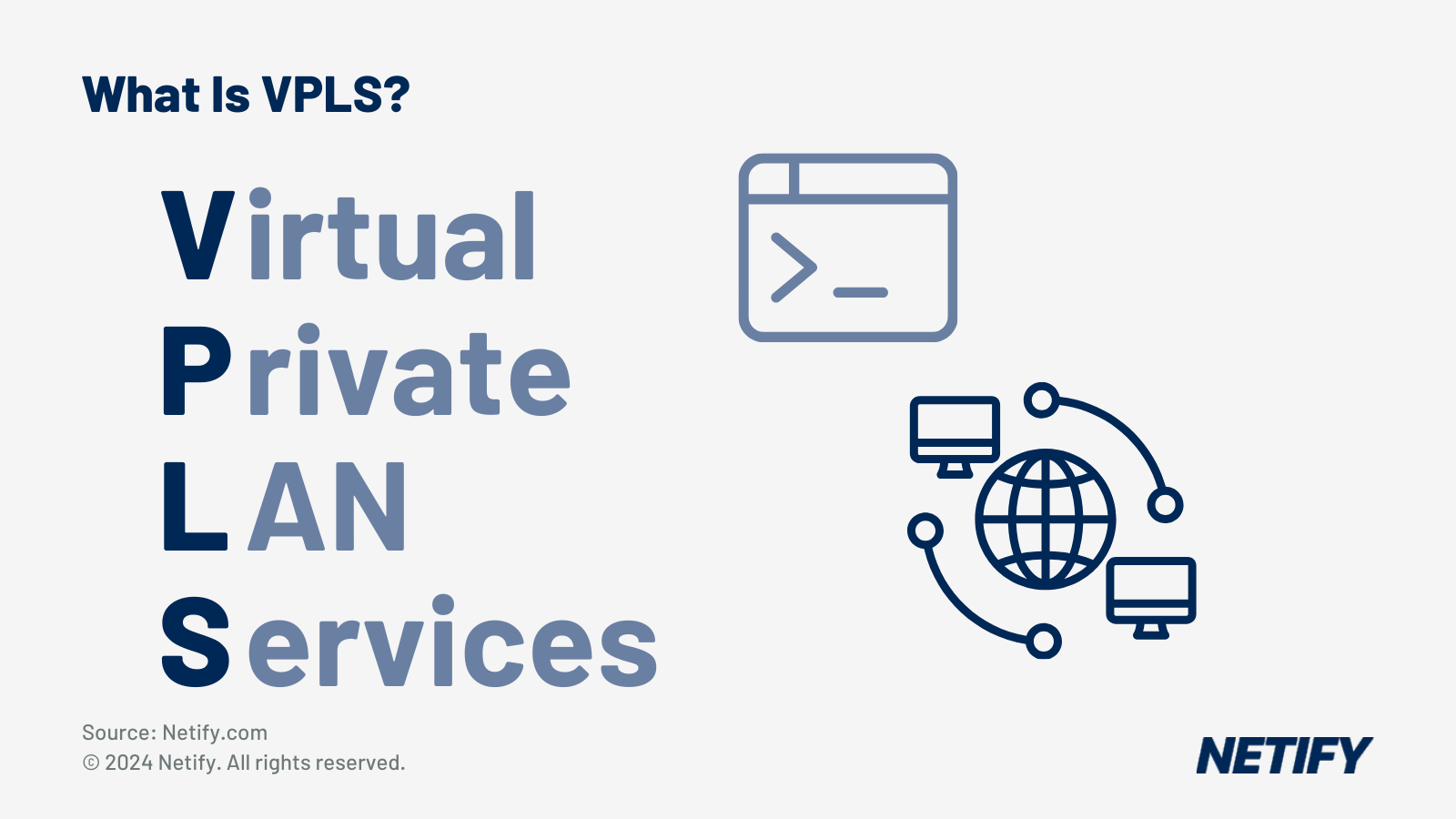
Compare VPLS Providers: Pricing and Services

Compare VPLS Providers: Pricing and Services

Virtual Private LAN Services offer private, low-latency, Layer 2 network connectivity, enabling seamless LAN extension across dispersed locations. The majority of businesses are opting for the provision of SD-WAN services to provide for their branch office and remote user connectivity. The nature of how organisations work today and how focused every business is on their cloud applications and storage dictates a need to deliver solutions which encompass network cybersecurity. Gartner defined SA

What is the difference between MPLS vs IPSec VPN?

What is the difference between MPLS vs IPSec VPN?

MPLS offers private, QoS-enabled, and scalable connections that are ideal for critical applications. IPSec VPN provides cost-effective and secure connectivity over public or private internet. Hybrid WANs combine the strengths of both approaches. In the early 2000's, the IPSec based VPN was the default service provider product offered within the telecoms marketplace. At its heart, the IPSec based WAN enabled businesses to leverage a single public IP backbone (or the wider Internet) by encrypting