Netify

Harry Yelland — page 2

Who are the Top SD-WAN Manufacturing Vendors and how can their SD-WAN services benefit manufacturers?

What SD-WAN Vendor Should UK Manufacturers Choose?

The manufacturing sector faces many networking challenges, including high reliability and uptime requirements, integrations with legacy systems, support for geographically dispersed locations and ensuring strict security is enforced. As network downtime can lead to financial loss, halts in production and disruptions to supply chains, it is essential for manufacturers to find a network solution to prevent potential issues. The best solution for this is Software-Defined Wide Area Network (SD-WAN

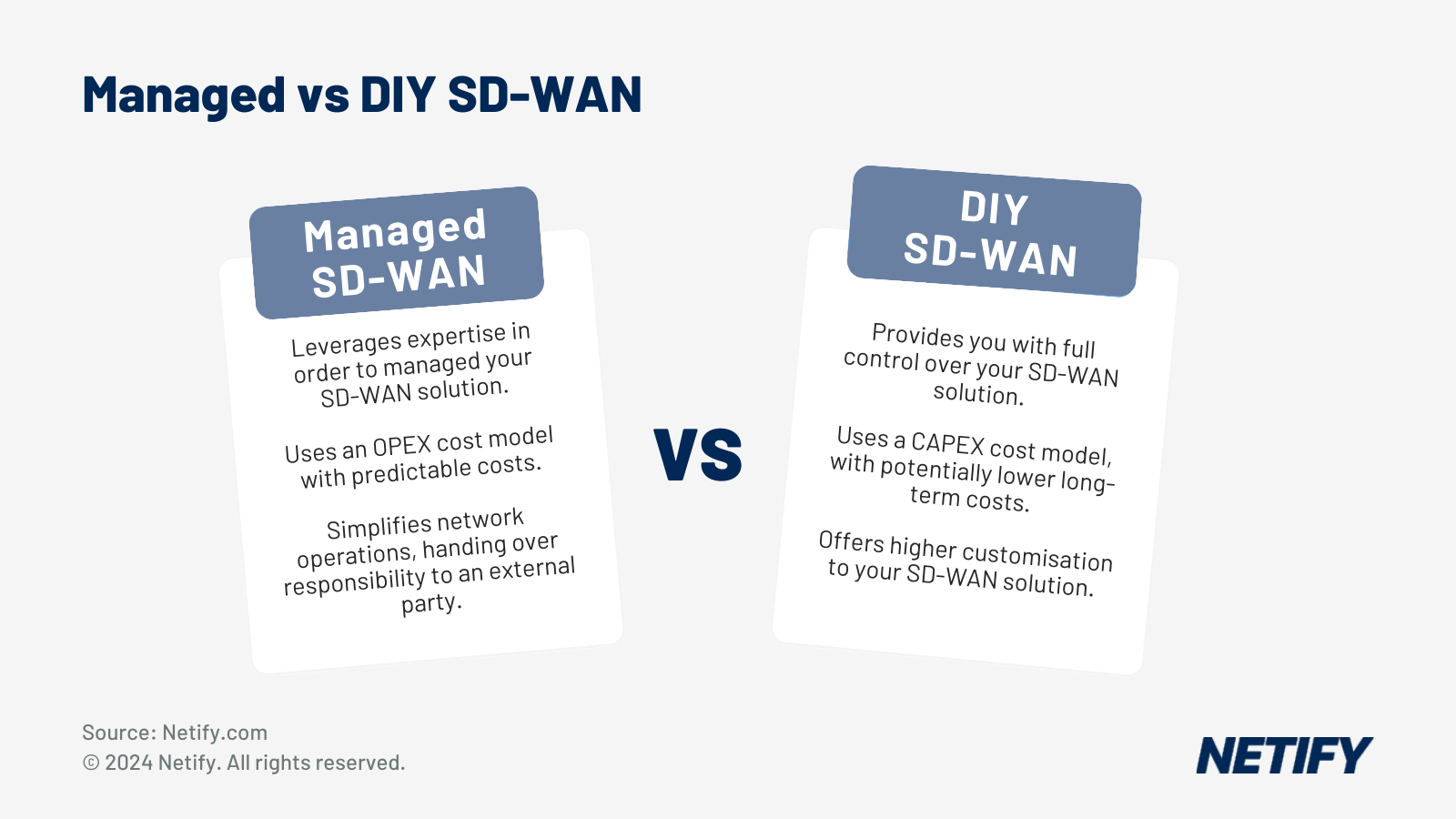
Managed vs. DIY SD-WAN: Finding the Right Approach for Your Business

Managed vs. DIY SD-WAN: Finding the Right Approach for Your Business

Choosing between Managed, DIY, or Co-Managed SD-WAN depends on your business's expertise, budget, and need for control, scalability, and security. Businesses typically look to reduce the Total Cost of Ownership (TCO) whilst improving the speed, scalability and flexibility of their network connections. One way for businesses to achieve this is through Software-Defined Wide Area Network (SD-WAN) solutions, which offer multiple deployment options: Do-It-Yourself (DIY), managed and co-managed. Whi

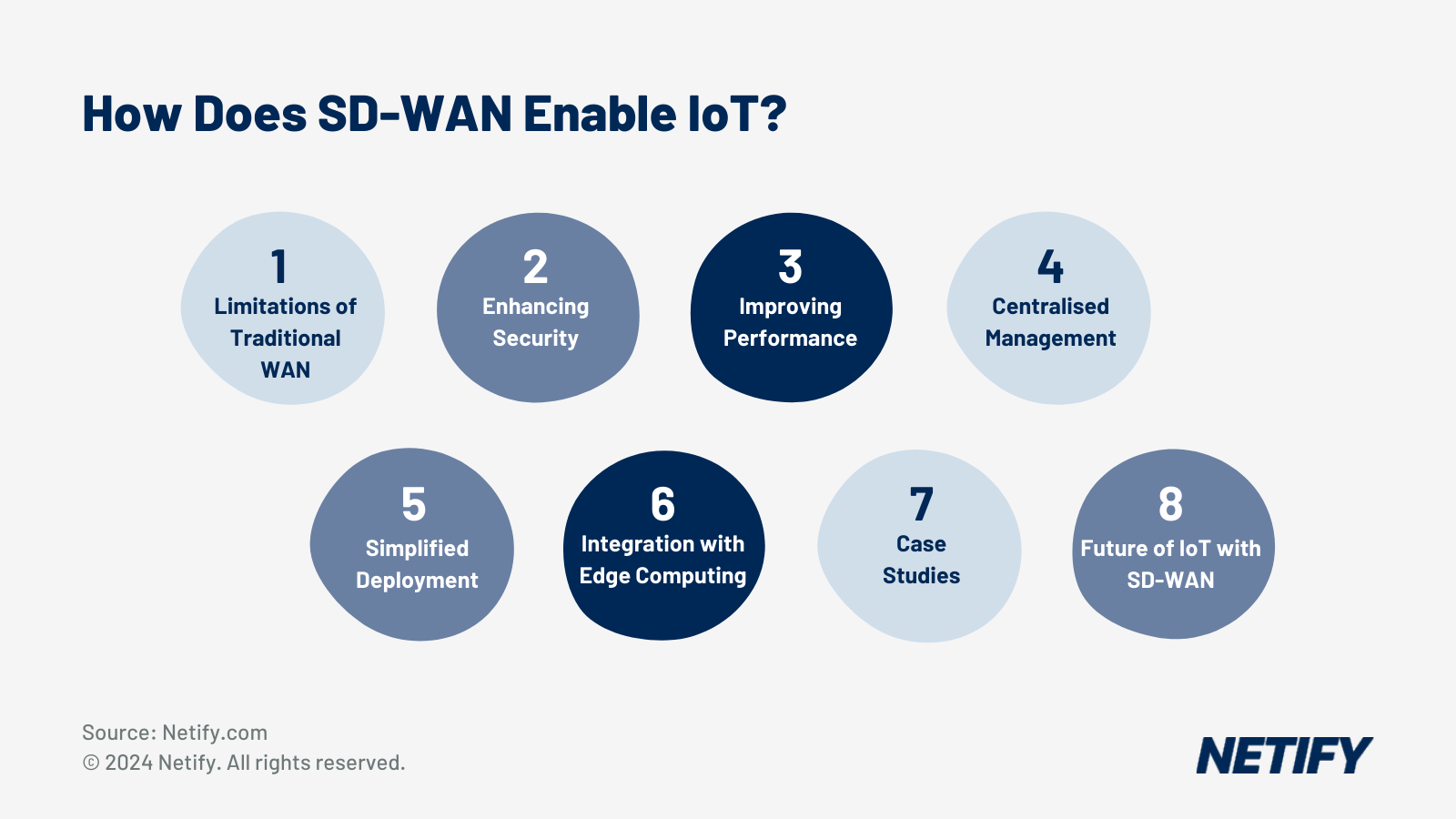
How Does SD-WAN Help Today’s IoT?

How Does SD-WAN Help Today’s IoT?

SD-WAN enhances IoT by improving security, performance, scalability, and simplifying deployment, enabling seamless integration of growing device networks. Since the start of the 2010s, there has been a growing demand for Internet of Things (IoT) devices and integrations. IoT devices, often coming in the form of sensors and smart devices have changed computing by using vast amounts of data in order to convert analysis of the real-world into digitised formats. This facilitates a data-based approa

SD-WAN vs Traditional WAN: Key Differences and Benefits (Updated 2026)

SD-WAN vs Traditional WAN: Key Differences and Benefits (Updated 2026)

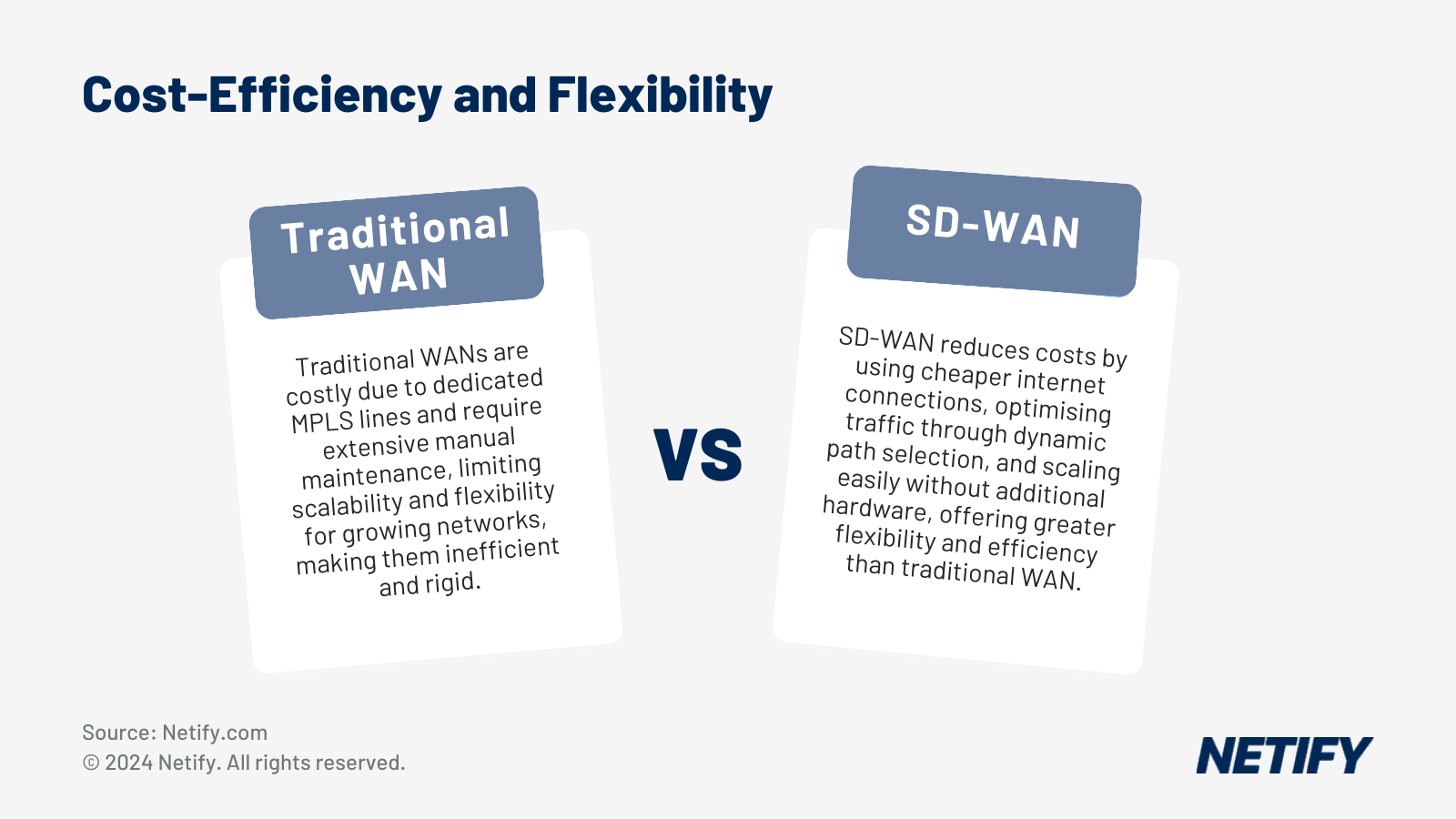
SD-WAN outperforms traditional WAN by offering cost efficiency, flexibility, enhanced security, and dynamic performance, making it ideal for cloud-first, scalable networks. In recent years, the widespread adoption of cloud computing, remote workforces and increased network demands has required organisations to seek more agile, cost-effective solutions that can meet their performance, security and reliability requirements. Software-Defined Wide Area Network (SD-WAN) solutions have emerged as the

SD-WAN in Financial Services: Enhancing Security and Agility

SD-WAN in Financial Services: Enhancing Security and Agility

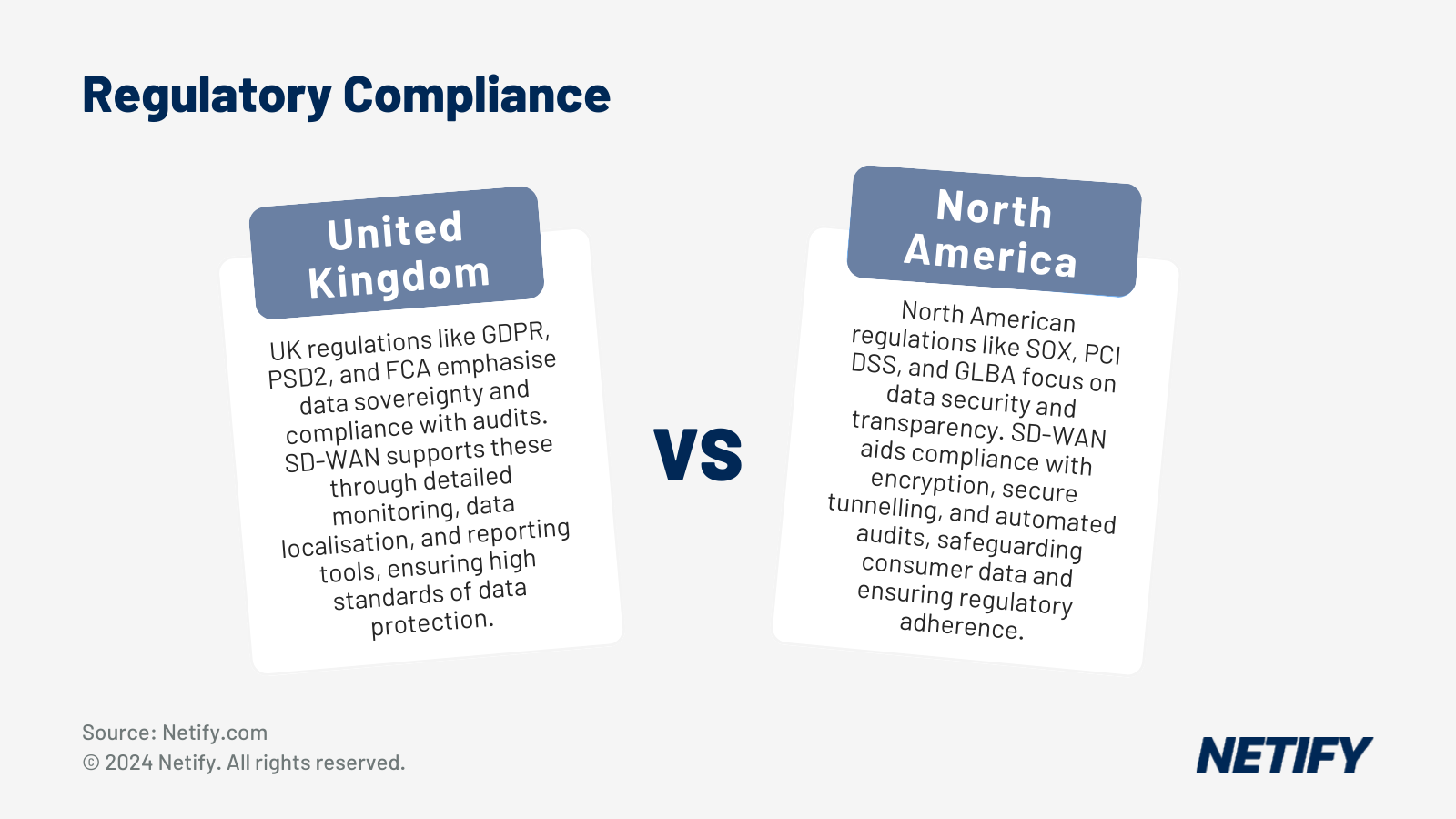
SD-WAN enhances security, agility, and cost-efficiency for the financial services sector, supporting regulatory compliance, reducing downtime, and improving customer experience. The financial services sector faces many challenges, such as stringent regulatory requirements, the need for enhanced security, and the demand for seamless connectivity to support constant connectivity between systems. In order to achieve this, many businesses within financial services have adopted Software-Defined Wide

What caused the worldwide CrowdStrike Windows issues?

What caused the worldwide CrowdStrike Windows issues?

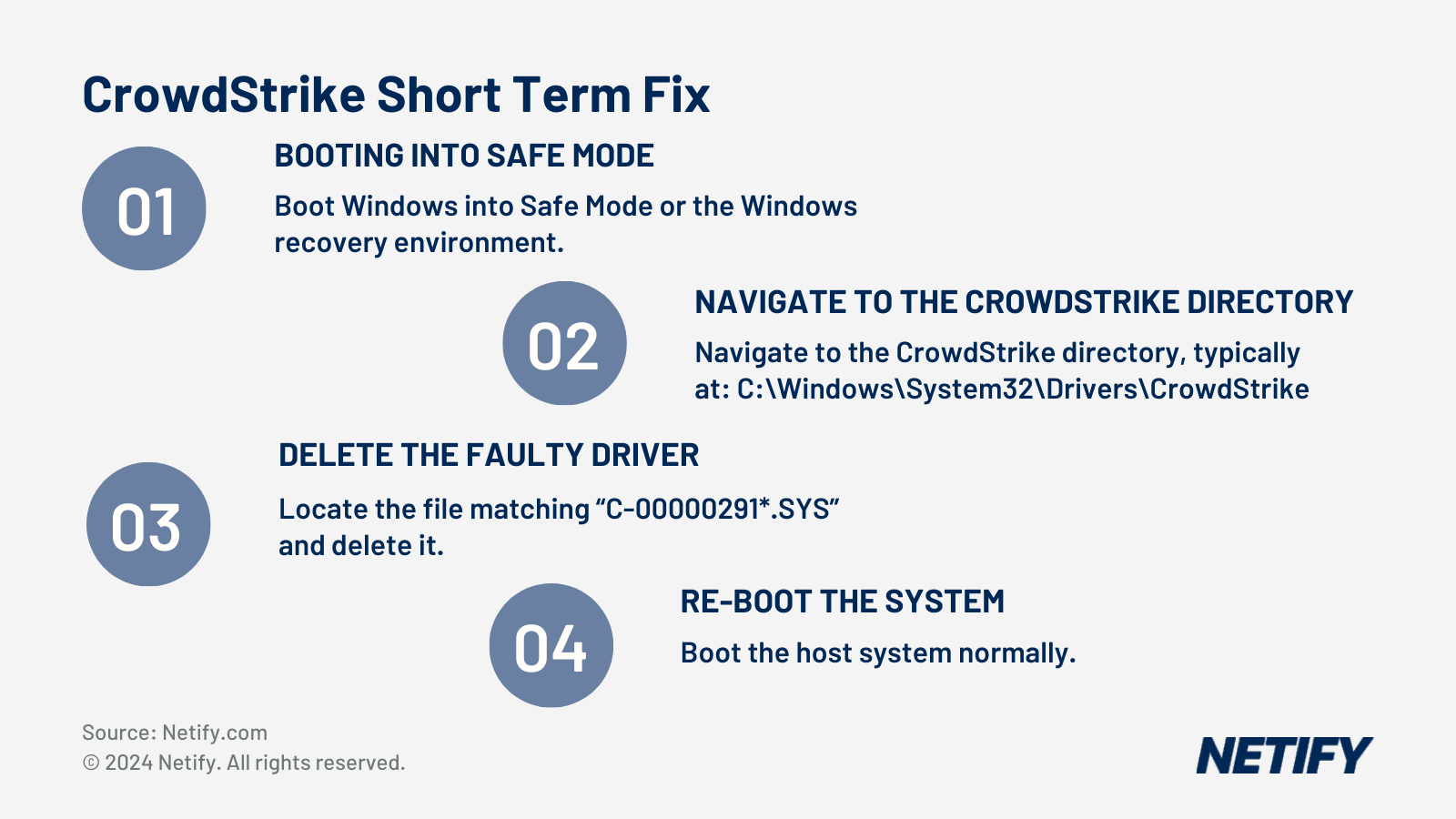
The worldwide CrowdStrike Windows issues, caused by a faulty update to their Falcon Sensor software, led to widespread BSOD errors and boot loops, affecting millions of devices globally. Widespread outages are being experienced worldwide, affecting a wide range of Windows devices. The source of the issue is a faulty update from the cybersecurity provider CrowdStrike to their Falcon Sensor software, which is widely used to manage the cybersecurity of both Windows PCs and servers. Having started

How to Choose SD-WAN for the Retail Sector

How to Choose SD-WAN for the Retail Sector

SD-WAN solutions help retailers enhance security, meet compliance standards like PCI DSS and GDPR, and improve operational efficiency across their digital and physical networks. The retail sector is no novice when it comes to adopting digitisation of processes, with card machines, surveillance cameras and self-checkouts forming just some of the digital practices used across major retailers. The uptake in these technologies has improved day-to-day operational efficiency, often reduced costs and