NNetify

Insights — page 8

What the manufacturing sector should know about Cybersecurity

What the manufacturing sector should know about Cybersecurity

Manufacturers face threats such as ransomware, IoT exploits and supply chain vulnerabilities. Manufacturing has been at the forefront of the technological revolution that has given the world Industry 4.0: From Robotic Process Automation (RPA) to the Industrial Internet of Things (IIoT) to the merger of OT and IT (operational technology and information technology), the interface and network of manufacturing have changed beyond recognition. The result of this digital transformation in the sector

What are the top 10 Financial Services Cybersecurity questions?

What are the top 10 Financial Services Cybersecurity questions?

The questions for financial services when comparing cybersecurity solutions are: * What financial services does my organisation need to expose to the public internet? * What type of financial services does my organisation provide to customers/users? * What type of payment information do my organisation’s internet-facing applications gather, share, process, or store? * What type of security team does my organisation currently have? * Users of my organisation’s services and resources com

Financial Services Cybersecurity Risk Management

Financial Services Cybersecurity Risk Management

Financial Services must manage risks such as ransomware, insider threats and regulatory compliance demands. To achieve this, using tools ZTNA, XDR and FWaaS (typically bundled into SD-WAN/SASE), can mitigate potential risks. The financial services sector has been in the eye of the cybersecurity storm for many years. However, 2021 saw unprecedented cyber-attacks. The banking industry, for example, experienced a staggering 1,318% increase in ransomware attacks during the year. The ENISA Threat La

How to buy SASE Cybersecurity for Financial Services

How to buy SASE Cybersecurity for Financial Services

To buy SASE solutions for financial services, organisations should prioritise data loss prevention, Zero Trust Access controls and solutions that offer support for complying with regulations. The financial services cybersecurity product set is designed to protect an industry which is among the most targeted sectors for cyber-attacks due to the type of information they collect and process: non-public information (NPI) about consumers, such as names, addresses, financial information, payments inf

Cisco Umbrella: Professional vs Insight

Cisco Umbrella: Professional vs Insight

Professional: Offers basic DNS-layer Security. Insight: Adds advanced enforcement, URL blocking, file inspection and improved visibility. Without diving deep into the technicalities just yet, Cisco’s Umbrella solution provides customers with a first line of defence against threats on the internet. All traffic is first sent through Umbrella, which acts as a secure on-ramp to the Internet for users wherever they are located. Users are protected regardless of their location and connection type, n

What are the differences between Fortinet vs Palo Alto?

What are the differences between Fortinet vs Palo Alto?

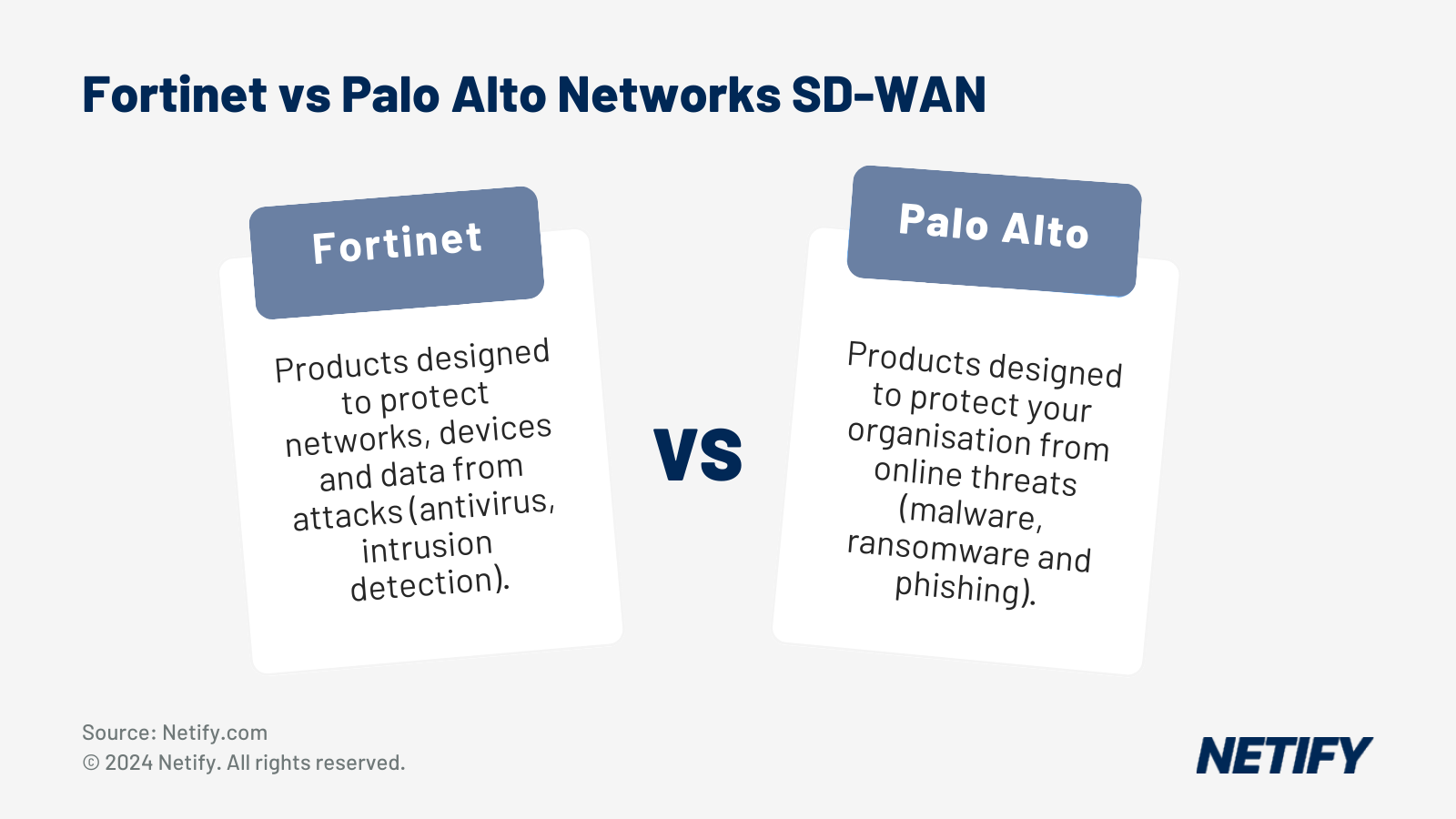
Fortinet provides a cost-effective, integrated solution with LAN, WAN, and wireless capabilities, while Palo Alto offers premium security-focused products with advanced threat detection, cloud-centric tools and higher costs. Every organisation must be able to keep up with the rapid increase in technological demands, such as; remote working, lower latency and increased availability whilst protecting the infrastructure from the never ending list of threats and vulnerabilities. Implementing featur

Netify Market Guide to CASB Services

Netify Market Guide to CASB Services

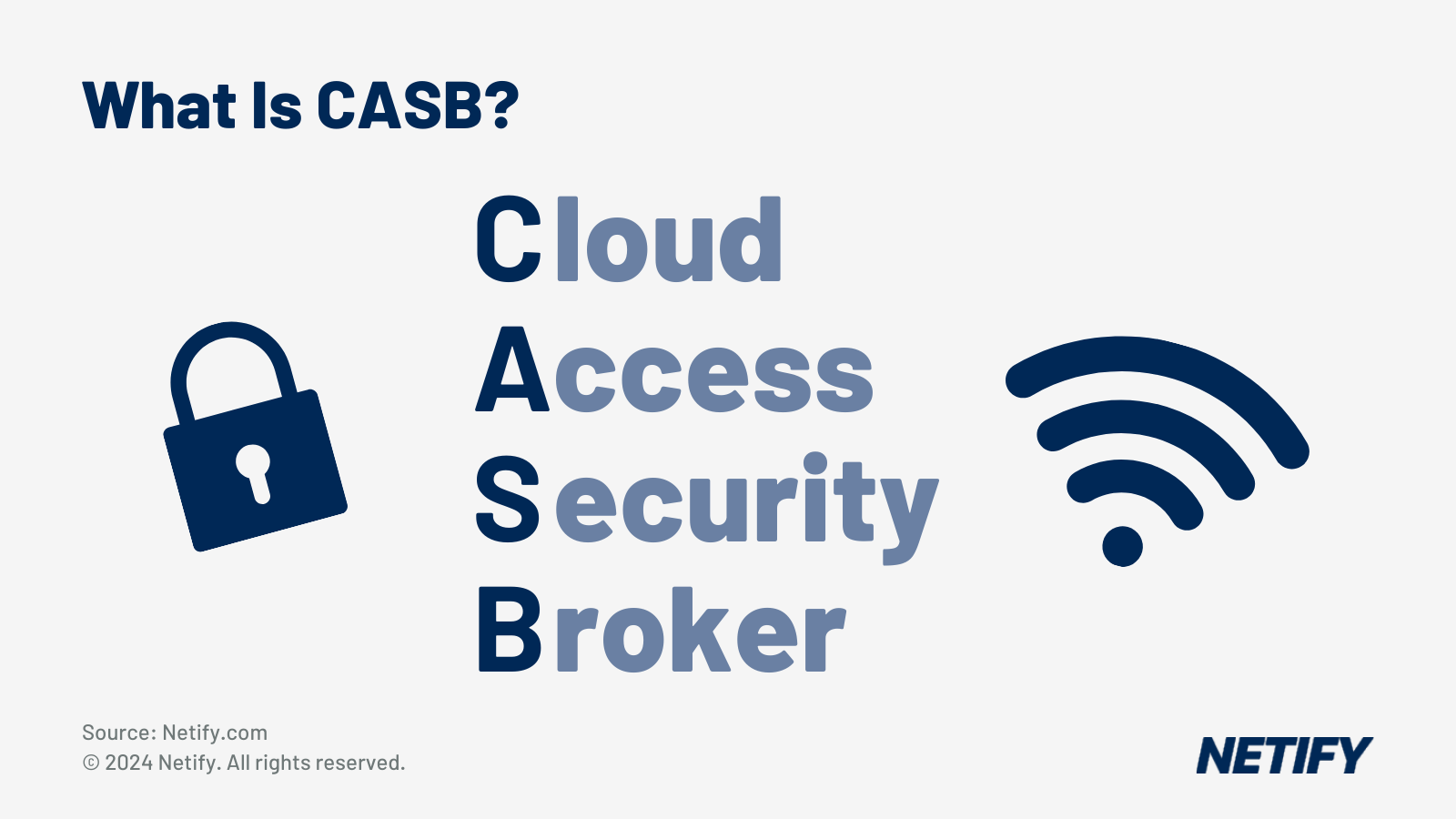
Cloud Access Security Brokers (CASBs) enhance cloud application security with features like visibility, data protection, threat mitigation and compliance. The Netify Market Guide to CASB Services What is CASB? A persistent theme in our market guide series to security services has been a significant change in enterprise plans for provisioning IT infrastructure and applications favouring cloud services over internally deployed and operated systems. The shift began as developers loved the conve

How to compare SD-WAN features vs business needs?

How to compare SD-WAN features vs business needs?

When comparing SD-WAN features, businesses should consider the solutions ability to route traffic based on application type, security offerings, wireless support, throughput, form factors, provider experience and support/managed services. It has only been a few years since SD WAN arrived to transform Wide Area Networks from restrictive Layer 3 MPLS and Layer 2 VPLS to all encompassing digital transformation. In many respects, the challenge is to actually understand which of the many SD WAN feat

What is the business case for SD-WAN services?

What is the business case for SD-WAN services?

The business cases for SD-WAN include (but are not limited to): Cost efficiency by leveraging cheaper connections, Flexibility for remote, mobile, hybrid or temporary setups, Enhanced Security, Improved regulatory compliance options, Simplified management, for cloud, legacy and multi-branch networks. In technology, we are surrounded by acronyms and buzzwords. One that gets a fair amount of utterance in the market today is SD-WAN. Software Defined Wide Area Networking services promise to give ne

How to select your next WAN provider?

How to select your next WAN provider?

To select your next WAN provider, you should evaluate both your current and future network requirements. Consider potential deployment challenges, budgets, regulatory issues and performance thresholds that must be met. Selecting your next WAN provider can be a very involved process, but by carefully examining your business requirements and desires for future connectivity, you can successfully manage the process from start to finish and migrate to the new provider that will best serve your needs

Which SD-WAN vendors are available in Azure Cloud services?

Which SD-WAN vendors are available in Azure Cloud services?

The SD-WAN vendors for Azure Cloud are: 1. Barracuda 2. Check Point 3. Cisco Meraki 4. Citrix 5. CloudGenix (Prisma SD WAN) 6. Fortinet 7. HPE Aruba 8. NetFoundry 9. Nuage/Nokia 10. Open Systems 11. Palo Alto Networks 12. Riverbed Technology 13. Silver Peak (HPE) 14. VMware SD WAN 15. Versa  The purpose of this article is to help understand the different options available when connecting your network to Azure’s Cloud Computing Services via SD WAN. Enterprise favou

What are the Pros and Cons of SD-WAN?

What are the Pros and Cons of SD-WAN?

Determining whether to adopt SD-WAN requires balancing significant operational advantages against specific strategic risks. While the technology offers clear benefits in cost and flexibility, outcomes depend heavily on network design and vendor selection. This guide provides a structured look at the advantages and disadvantages of SD-WAN for modern UK organisations. The balance between these factors depends on your organisation's existing WAN infrastructure, site count, and security requirement