We've Compared the Top UK, USA & Global MPLS Providers & Vendors
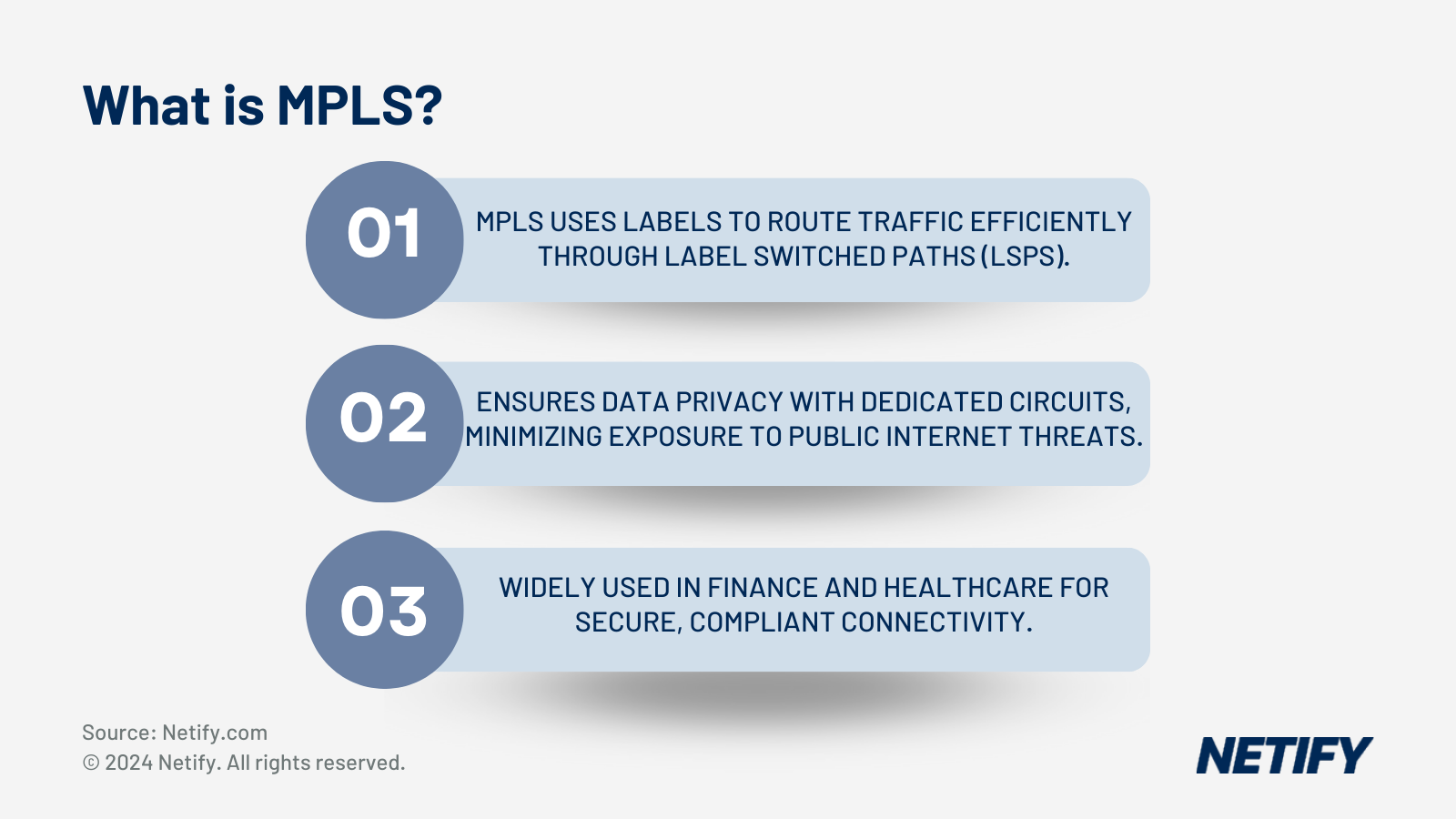
The leading MPLS providers for UK and global enterprise in 2026 are Comcast Business (formerly Masergy), Expereo, Globalgig, GTT, Colt, Cogent, Verizon, Telstra and BT Business.
Topic

The leading MPLS providers for UK and global enterprise in 2026 are Comcast Business (formerly Masergy), Expereo, Globalgig, GTT, Colt, Cogent, Verizon, Telstra and BT Business.

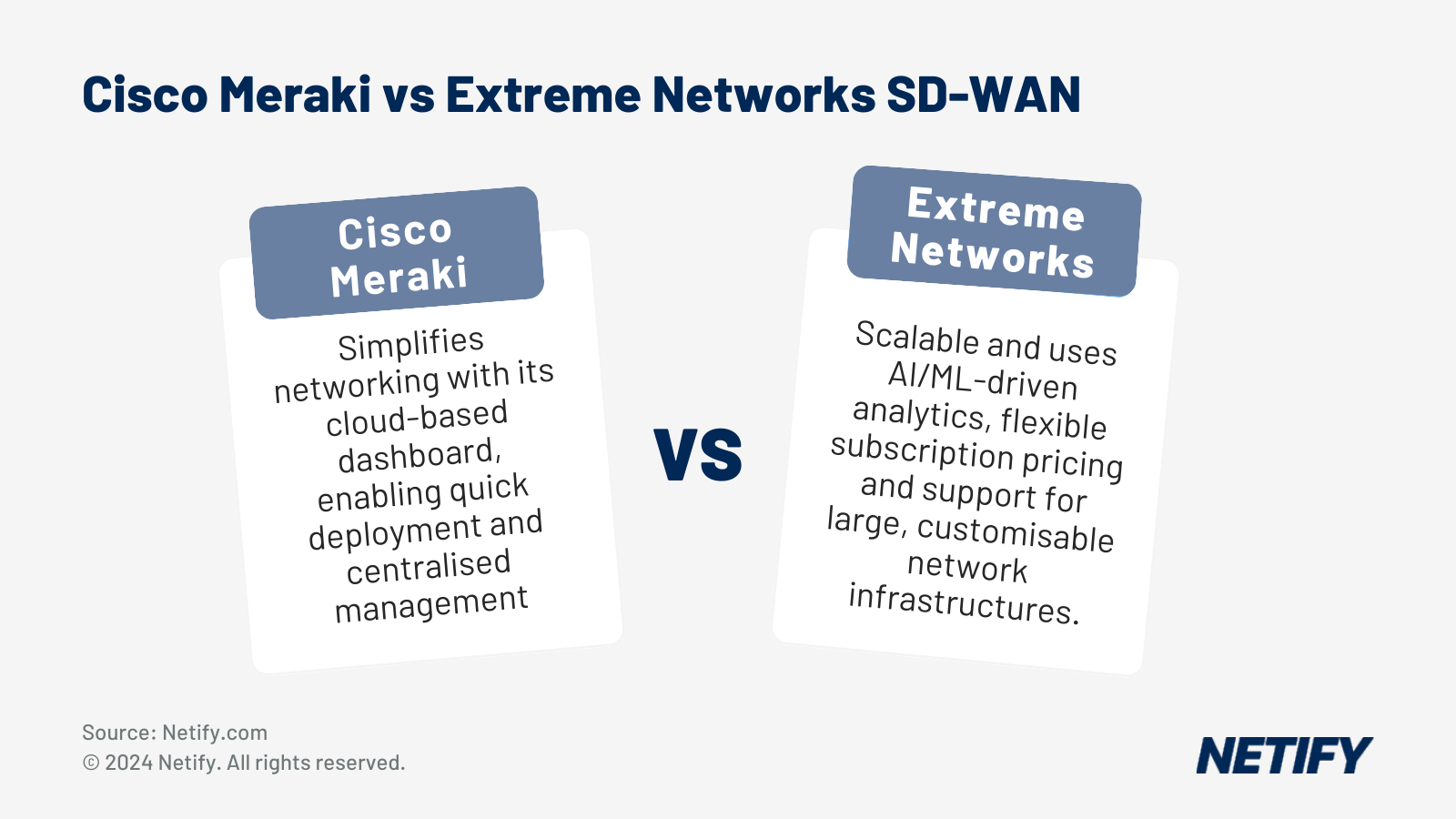
Meraki excels in simplicity and centralised management, while Extreme Networks focuses on AI/ML-driven scalability and tailored solutions in their SD-WAN solution. Meraki and Extreme Networks are both considerable choices when it comes to choosing a network solutions provider. Meraki is renowned for its ease of use, this is largely due to the lack of CLI and powerful dashboard. Extreme Networks are industry pioneers with advanced features driven by machine learning and artificial intelligence,

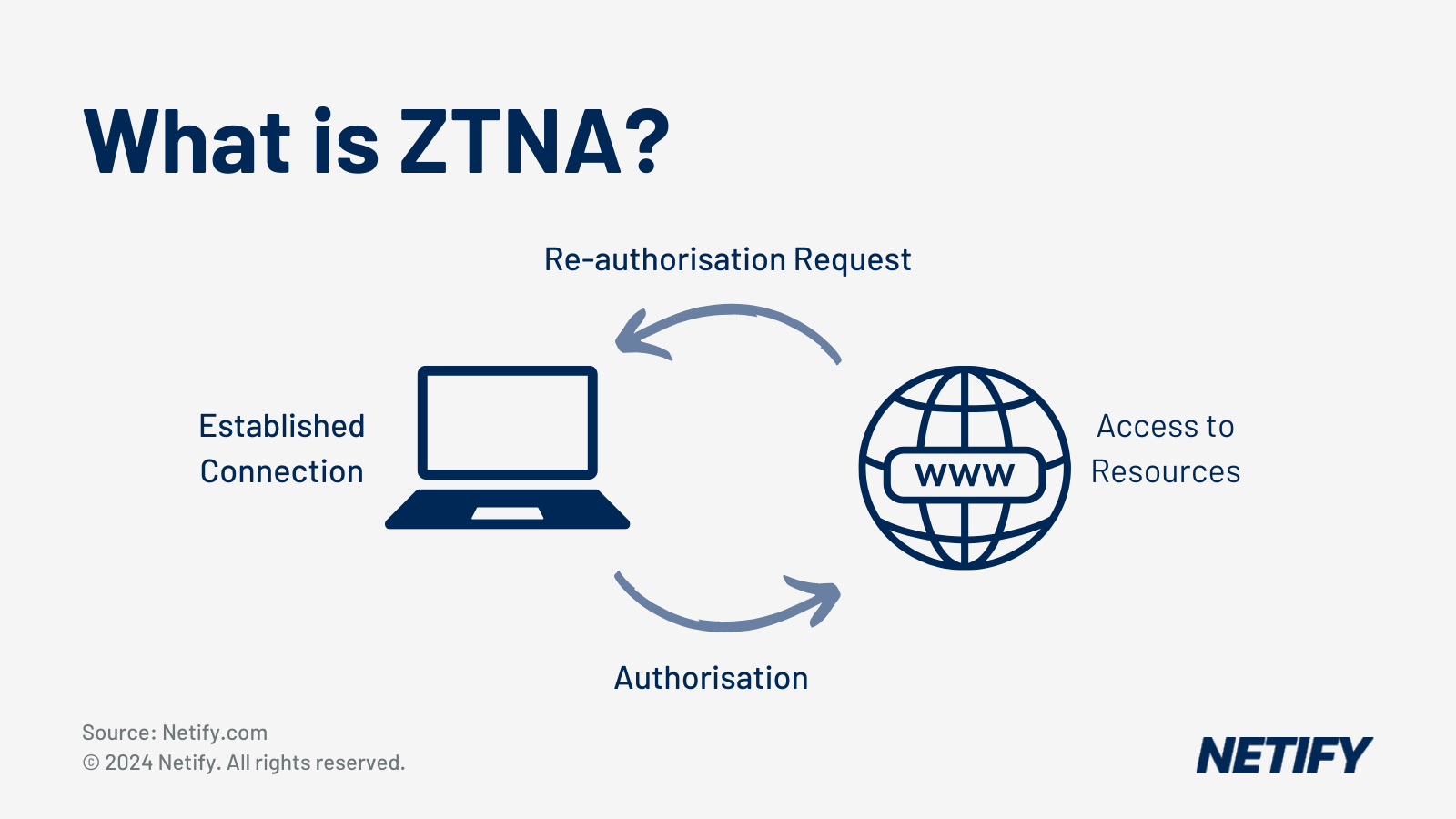
Zero trust network access (ZTNA) is now a fundamental requirement for securing distributed enterprise environments. The global zero trust network access market is projected to grow from 1.34 billion dollars in 2025 to over 4 billion by 2030 (according to 2025 data from MarketsandMarkets). Given this, in this article we'll examine the leading ZTNA providers and the critical role of zero trust as a model for modern network security. What is ZTNA (Zero Trust Network Access)? Ze

We review the different types of SD-WAN providers—vendors, service providers, and MSPs - helping businesses choose the right solution for their needs. When adopting SD-WAN services, an important consideration should be the type of provider selected to deliver the solution. In this article, we shall discuss the types of SD-WAN providers, what approach to SD-WAN implementation they are suitable for, examples of each and how a particular provider may align with your business requirements. What a

ZTNA (Zero Trust Network Access) is a security model focused on verifying every user and device before granting access to corporate applications, aiming to ensure secure, flexible access from anywhere, and gradually transitioning network architecture to a Zero Trust approach. The concept of Zero Trust was coined in 2010 by John Kindervag, with traction for the term skyrocketing in 2019 with Gartner’s definition of Zero Trust Network Access (ZTNA) as “A product or service that creates an identi

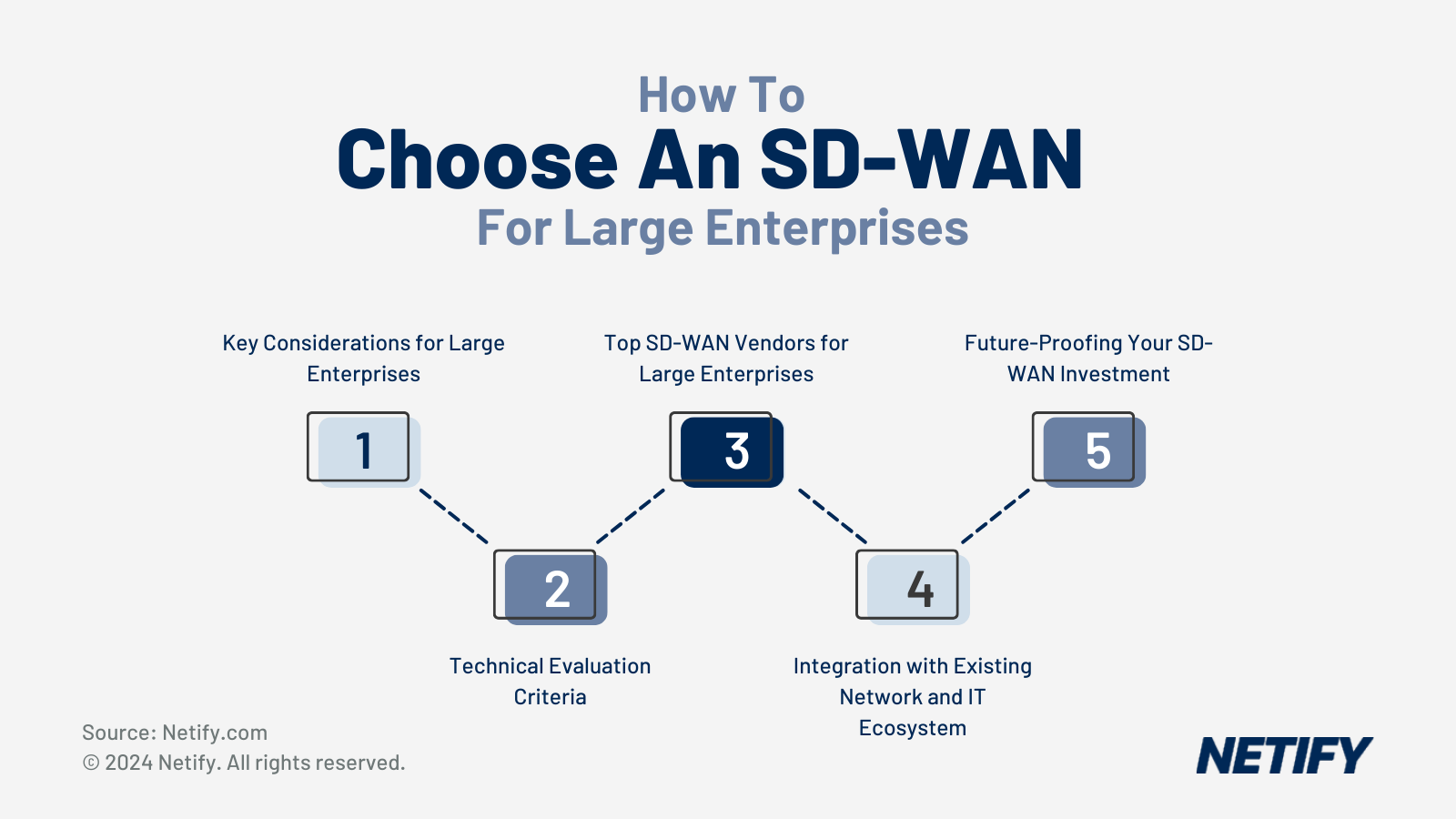
Choosing the right SD-WAN for large enterprises boosts network performance, scalability, and security while supporting global operations and remote work. For large enterprises, Software Defined Wide Area Network (SD-WAN) solutions offer a significant improvement to network performance, scalability and security when compared with traditional WAN networks. However, choosing the best SD-WAN solution can be a daunting task, especially given how many different features and requirements a global ente

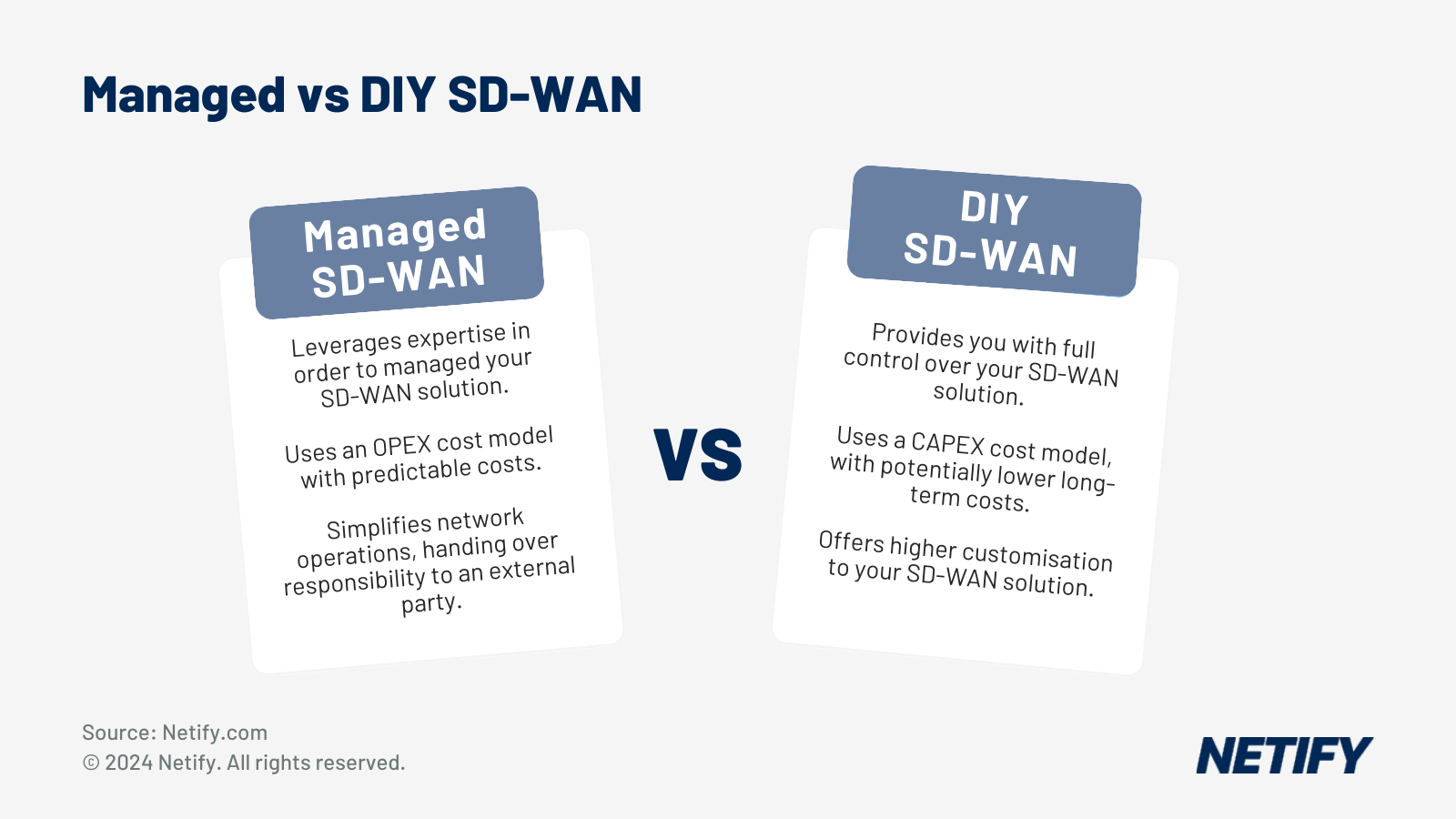
Choosing between Managed, DIY, or Co-Managed SD-WAN depends on your business's expertise, budget, and need for control, scalability, and security. Businesses typically look to reduce the Total Cost of Ownership (TCO) whilst improving the speed, scalability and flexibility of their network connections. One way for businesses to achieve this is through Software-Defined Wide Area Network (SD-WAN) solutions, which offer multiple deployment options: Do-It-Yourself (DIY), managed and co-managed. Whi

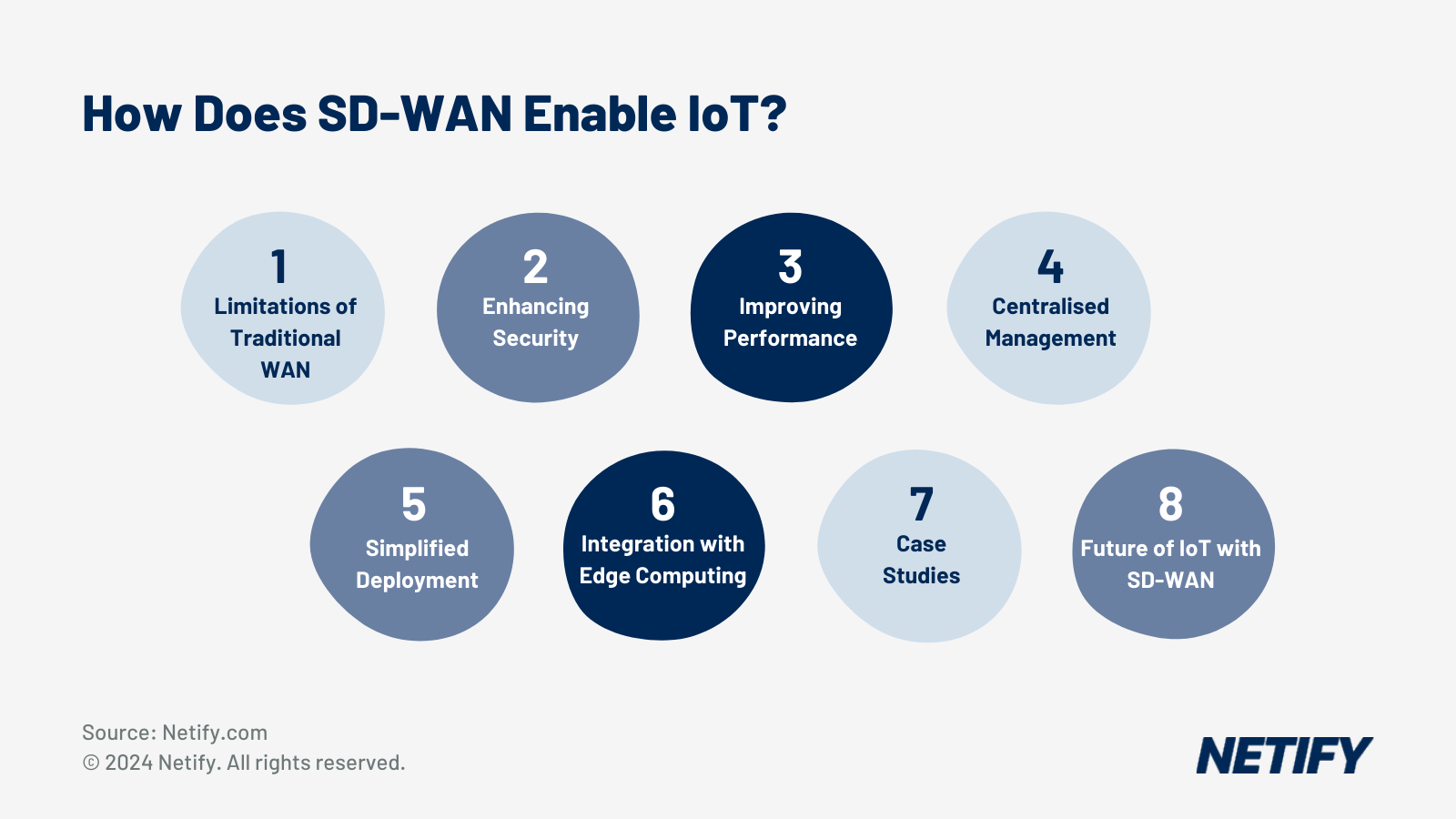
SD-WAN enhances IoT by improving security, performance, scalability, and simplifying deployment, enabling seamless integration of growing device networks. Since the start of the 2010s, there has been a growing demand for Internet of Things (IoT) devices and integrations. IoT devices, often coming in the form of sensors and smart devices have changed computing by using vast amounts of data in order to convert analysis of the real-world into digitised formats. This facilitates a data-based approa

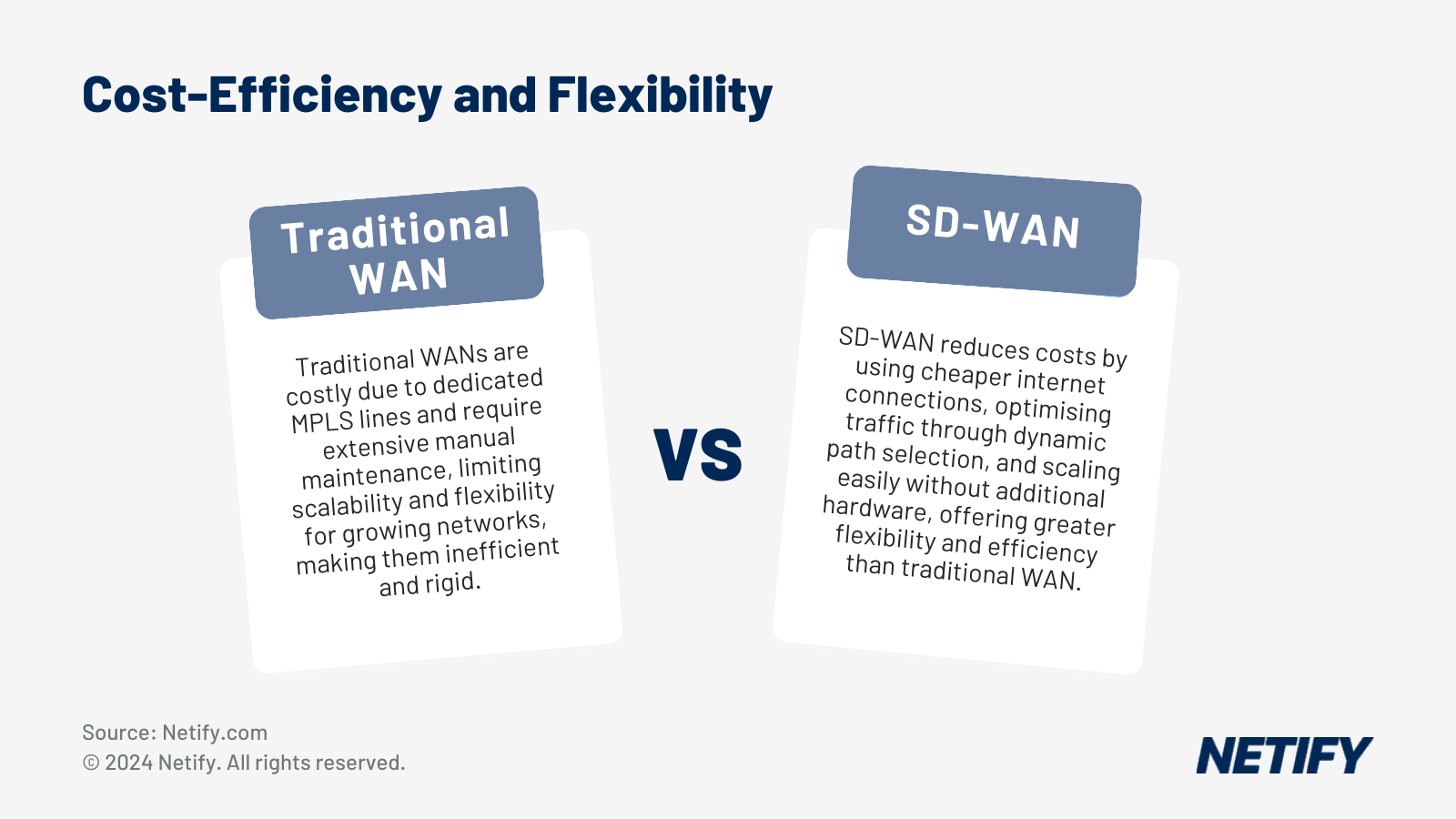
SD-WAN outperforms traditional WAN by offering cost efficiency, flexibility, enhanced security, and dynamic performance, making it ideal for cloud-first, scalable networks. In recent years, the widespread adoption of cloud computing, remote workforces and increased network demands has required organisations to seek more agile, cost-effective solutions that can meet their performance, security and reliability requirements. Software-Defined Wide Area Network (SD-WAN) solutions have emerged as the

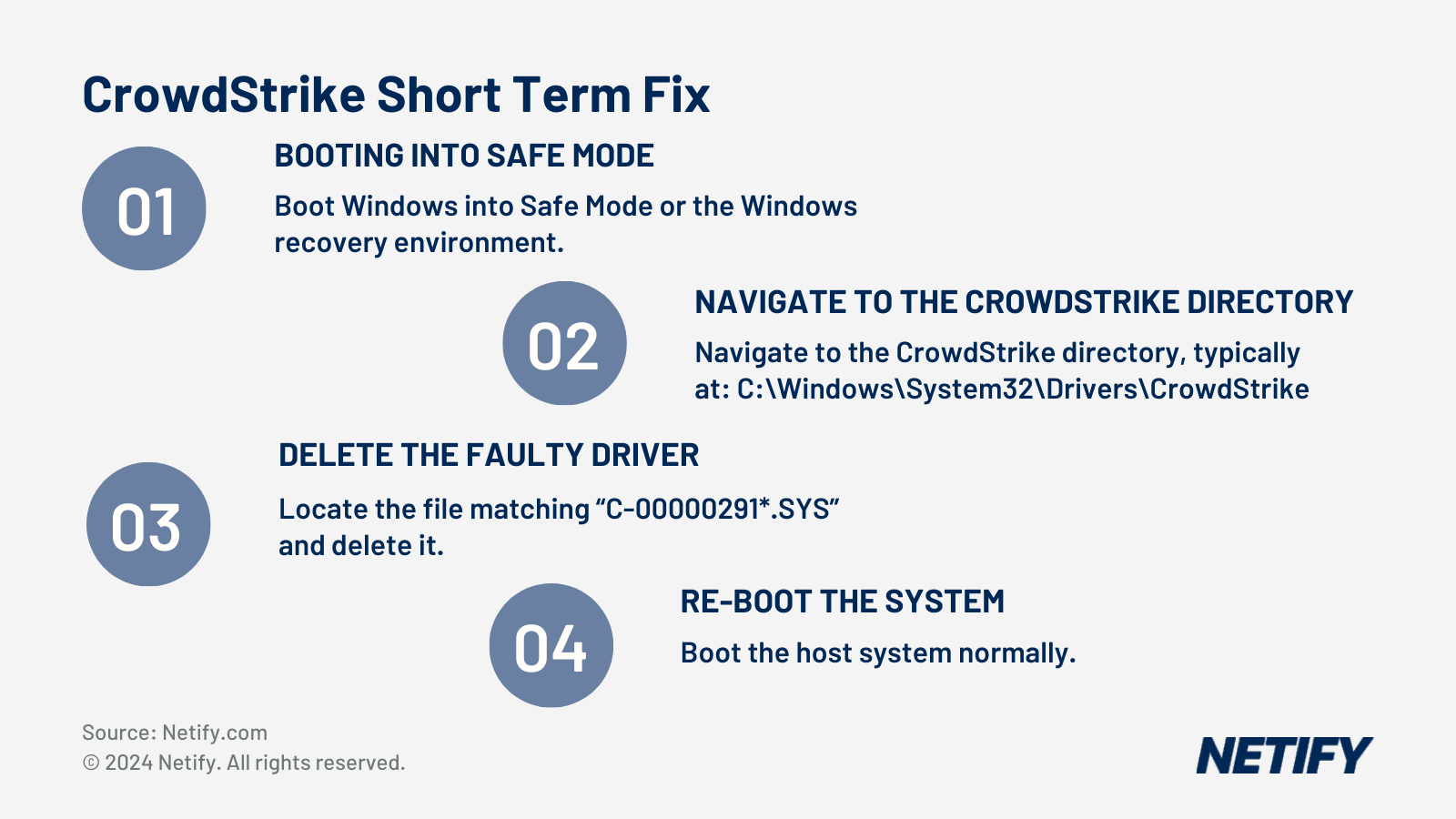
The worldwide CrowdStrike Windows issues, caused by a faulty update to their Falcon Sensor software, led to widespread BSOD errors and boot loops, affecting millions of devices globally. Widespread outages are being experienced worldwide, affecting a wide range of Windows devices. The source of the issue is a faulty update from the cybersecurity provider CrowdStrike to their Falcon Sensor software, which is widely used to manage the cybersecurity of both Windows PCs and servers. Having started

SD-WAN enhances remote work by improving connectivity, security, and performance. It leverages multiple network links, integrates advanced security, and offers centralised management to ensure uninterrupted and secure access for remote workers. As remote working practices are increasingly being adopted by businesses, it has highlighted the importance for businesses to provide reliable and secure connectivity to both home and remote locations to ensure productivity is maximised. Traditional WAN

SD-WAN costs vary based on appliance type, features, bandwidth, and deployment model, with prices ranging from £80 to £800+ per month per site. Netify finds the majority of IT leaders need to set budgets before comparing vendor solutions. What should a business expect to pay for SD-WAN as a component of network security architecture? SD-WAN costs depend on several factors including appliance type, ongoing licences, and management needs. For basic SD-WAN deployments, monthly costs range from